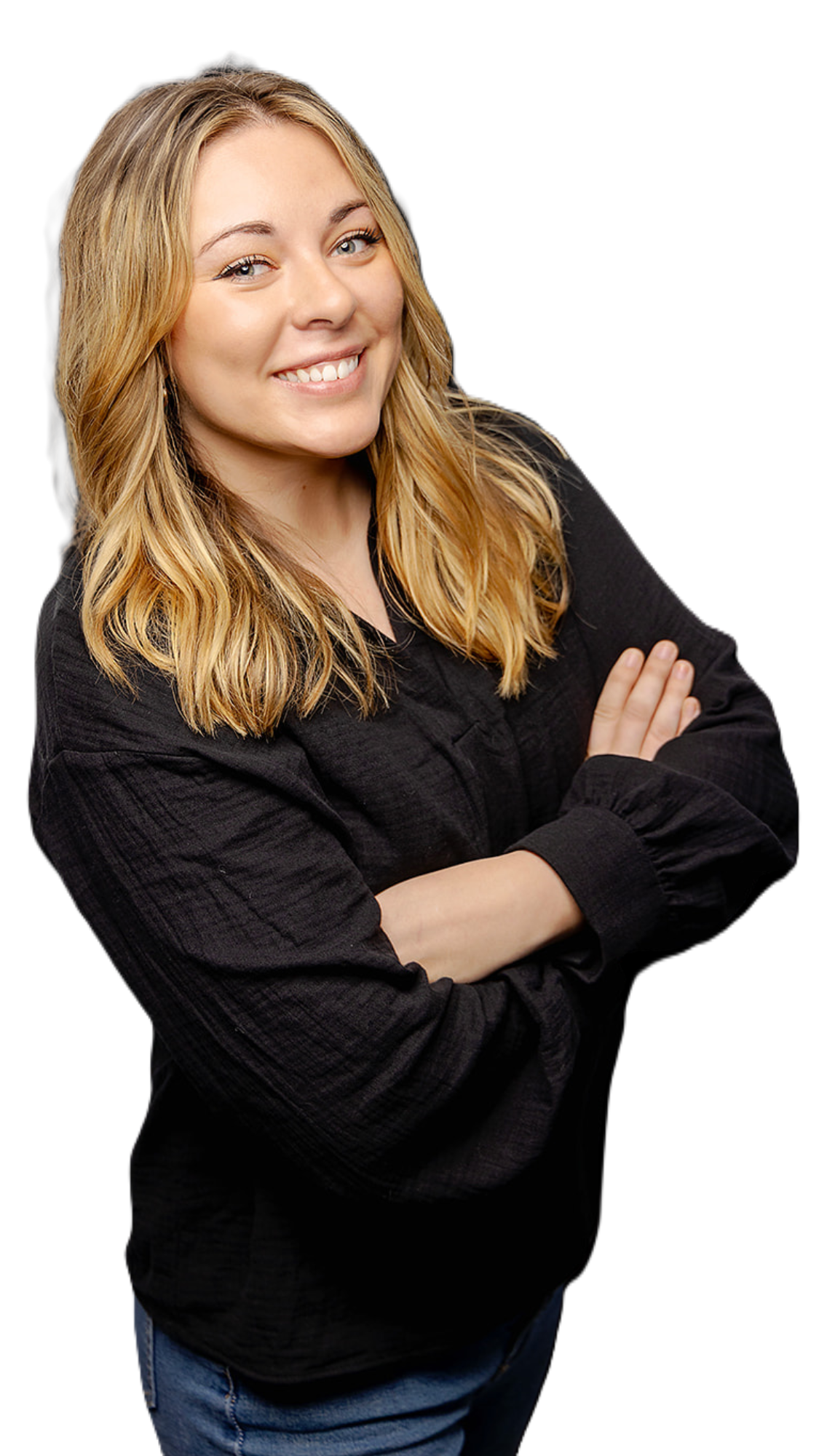
FACTS ABOUT BLAKE
Therapy Style
- Authentic
- Collaborative
- Compassionate
- Person-Centered
- Strengths-Based
Education
- BS in Psychology and Education from Arizona State University
- MA in Counseling from Arizona State University
Favorite Hobby
Blake enjoys spending time outside, hiking, picnics, exploring new places, and seeing friends and family (people and pets)!
POPULATIONS



Scope of Practice
In addition to specializing in Complex Trauma and PTSD, Dissociative Disorders, and OCD, Blake also has formal training and experience working with Addiction and Substance Use Disorders, Attachment Trauma and Related Needs, Personality Disorders, Relational Conflict, Suicidality and Self Harm, Various Forms of Abuse and Neglect, Neurodivergence including Autism Spectrum Disorder, ADHD, and Giftedness, Mood Disorders including Anxiety and Depression, Maladaptive Coping Mechanisms, Life Transitions and Adjustment Challenges, Body Image, Identity and Self-Esteem, Disordered Eating and Eating Disorders, Boundary Setting and Assertiveness, and Sexual Violations.
Evidence-Based Modalities
- Exposure and Response Prevention (ERP)
- Eye Movement Desensitization and Reprocessing (EMDR)
- Internal Family Systems (IFS)
- Sand Tray Therapy
- Somatic Experiencing (SE)
- Strength-Based Therapy
- Structural Dissociation Theory